
Dive deep into business, brand and strategy.
-

Tim Shore’s wild account of how blogTO was built, scaled, and sold for $15 million
When Tim Shore sat down with me for Episode #31 of the podcast, we opened with a screenshot of the LinkedIn post that shocked Toronto’s media scene: after a 20-year run, Tim had been fired from blogTO and ZoomerMedia, the very company he founded and built from scratch. As we…
-

North of Brooklyn — Positioning a pie
A note before you read: Josh and Alex, I have a lot of respect for what you have built at North of Brooklyn over fourteen years. I have been watching your work for a while, and I keep coming back to the question I study in every business: how a…
-

You bought the shoes
The Nike shoes arrive on Tuesday. By Wednesday, you have the watch, the running app, and a saved list of marathons you might enter. You know what the serious runners wear. You have opinions about their equipment. Your mornings look exactly as they did last week. The purchase happened. The…
-

When switching banks becomes a conversation
Banks have spent decades making banking easier while leaving the customer responsible for doing it. The branch became a website. The website became an app. You could check your balance at midnight, deposit a cheque from your kitchen and move money without speaking to anyone. But you still had to…
-

Stuck is not loyal
Why banks mistake learned helplessness for loyalty, and what changes when leaving gets easier. Ask a bank why its customers stay and you will hear words like trust, relationship and loyalty. Ask the customers, and you may hear something else. “My paycheque goes there.”“Our mortgage is with them.”“We opened the…
-
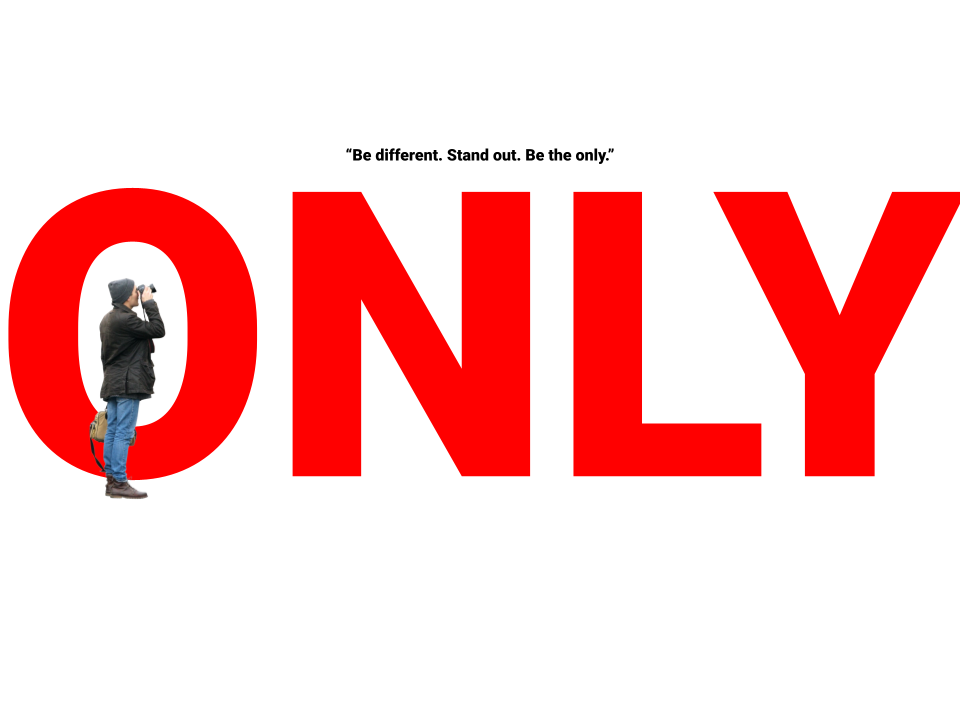
The purchase does not prove you are the “only” option
“Be different. Own your category. Become the only choice.” This advice carries a familiar promise: find what makes your business unique, make that difference clear, and customers will choose you. The appeal is easy to see. Building a business is hard. Competition creates doubt. Being the “only” seems to offer…
-

Protecting the change you make possible for people
Imagine a project manager who starts every morning chasing updates. They open five tools, message six people and still cannot tell whether Friday’s deadline is in trouble. Then they find a product that helps them see what needs attention and decide what to do. They spend less time checking and…
-

Just look like you have your shit together
The problem with positioning and personal brand advice is that it keeps confusing the appearance of credibility with the conditions that produce it. My beef with almost all of positioning and personal brand advice online is simple: underneath the frameworks, scripts, hooks, and templates, the instruction is often the same.…
-
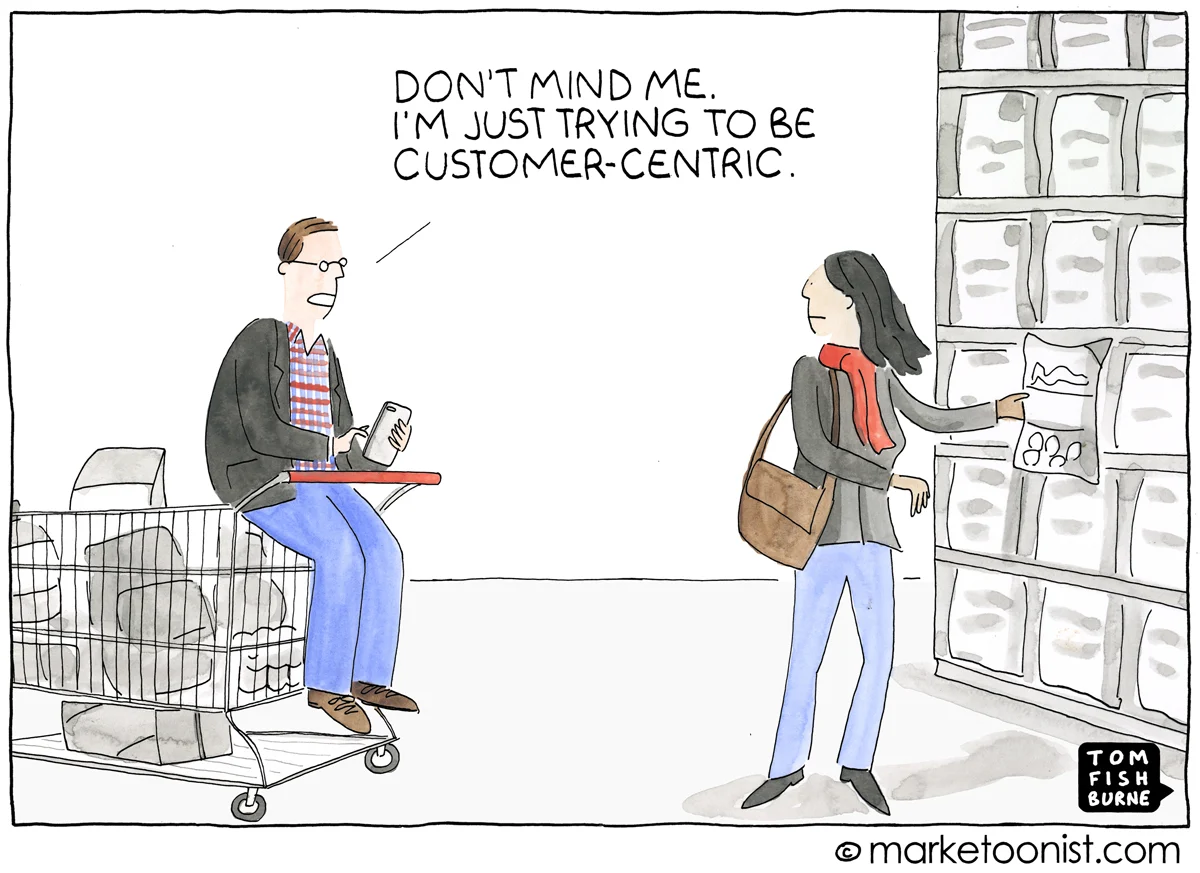
When the company becomes more important than the customer
I don’t find “we’re customer-centric” very convincing. I want to know what happens when serving a customer gets in the way of hitting a target. That’s where I would look for the truth about a business. Imagine you run a support team. You want customers to spend less time on…
-

What Nike’s CEO Failed to Understand
Positioning, capital allocation and the cost of getting the business wrong In March 2024, Nike’s chief financial officer described the mistake with unusual clarity. Matt Friend said the company had been “more focused on trying to achieve a mix of marketplace targets than we have on serving consumer demand where…
-

Ramp: The Best Experience Is the One You Don’t See
Ramp, Eric Glyman, and the position they built by accident and never named A note before we begin: I have been watching Ramp for a while now, and I think highly of what Eric Glyman and his co-founders have built. Getting a finance product to the point where customers describe…
-

The One Room Where You Still Believe Words
Most of us learn a simple rule before we can read: when words and actions clash, children often take their cue from what adults do. You can say “be gentle” in your calmest voice while you slam the cupboard, but the slam is the stronger lesson. You can tell them…
Get Your CEO Clarity Starter Kit
