
Category: Autopsy
-

Stuck is not loyal
Why banks mistake learned helplessness for loyalty, and what changes when leaving gets easier. Ask a bank why its customers stay and you will hear words like trust, relationship and loyalty. Ask the customers, and you may hear something else. “My paycheque goes there.”“Our mortgage is with them.”“We opened the joint account when we got…
-
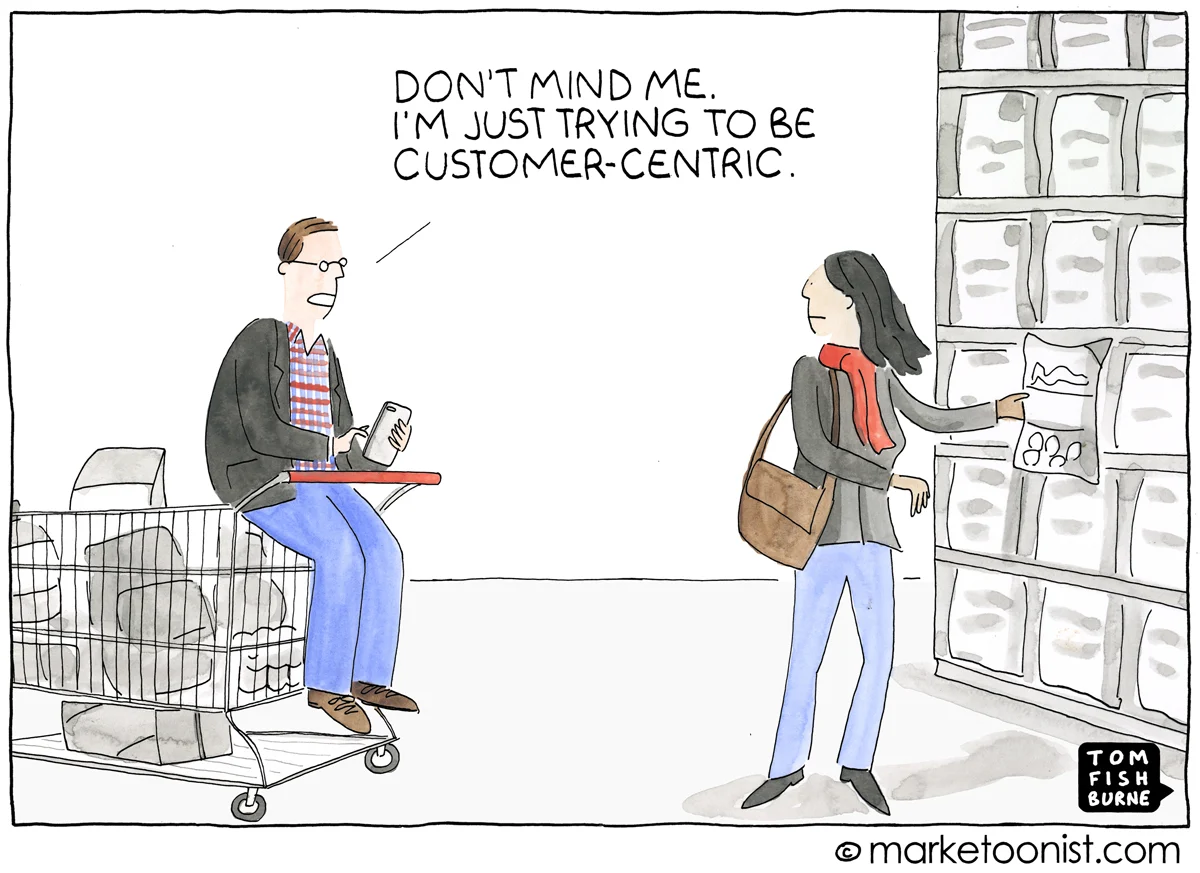
When the company becomes more important than the customer
I don’t find “we’re customer-centric” very convincing. I want to know what happens when serving a customer gets in the way of hitting a target. That’s where I would look for the truth about a business. Imagine you run a support team. You want customers to spend less time on the phone, so you start…
-

What Nike’s CEO Failed to Understand
Positioning, capital allocation and the cost of getting the business wrong In March 2024, Nike’s chief financial officer described the mistake with unusual clarity. Matt Friend said the company had been “more focused on trying to achieve a mix of marketplace targets than we have on serving consumer demand where the consumer is shopping.” Read…
-

Simile’s $2 billion raise: The CERN of Saying Things
TLDR: I read the study behind Simile, the AI startup that just raised $200 million to simulate human beings. The founders interviewed 1,000 people for 2 hours each and built AI agents that fill out surveys the way those people would. Their own paper grades the copies against survey answers and says so, carefully. The…
-

The Empirical Case That Marketing Never Owned Positioning
Six cases from the public record, the science on why the newest one won’t work, and a thirty-minute exercise called The Refusal Line that shows you who owns your position. For years I have watched companies fire their Chief Marketing Officer after a positioning failure, hire a replacement with a better résumé, and expect the…
-
Alex Smith × April Dunford — one hour on positioning, taken apart line by line
An hour of two people who agree with each other, congratulating each other for disagreeing with people who aren’t in the room. What follows is what actually happened, not what they think happened. 1. The setup — what the conversation is announced as Alex Smith opens with a frame. He is the “no bullshit strategy”…
-
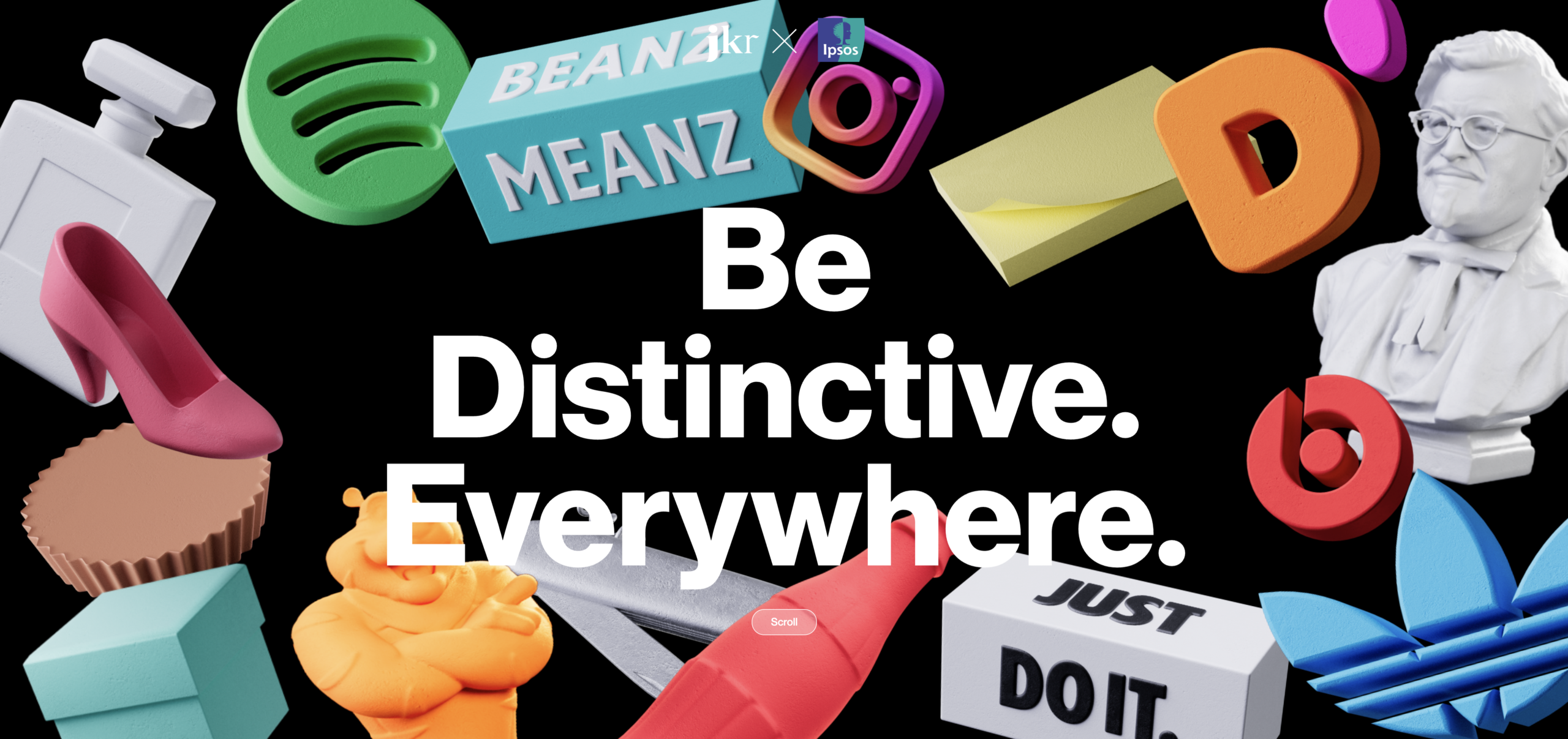
The Report That Surveyed the Wiring
An autopsy of JKR x Kantar’s “Be Distinctive Everywhere: The Experience Edition” (2026) There’s a report going around. JKR and Kantar launched it at Cannes in June 2026, the same week Sharp and Ritson finally shared a stage. The headline is everywhere on LinkedIn: only 28% of brand equity is built by paid media. 71%…
-

Six Doors, One Room
I watched the brand growth debate over the past week. Six people walked up to the same empty room and stopped. The one who got closest got there thirty years ago. For a whole week, I read the same argument made by different people, and the same thing kept bothering me each time. Not the…
-

The Prancing Horse
The Positioning Delusion — On the Difference Between One Position and Two Disciplines The question making the rounds this week is whether the Ferrari Luce is really a Ferrari. It is the wrong question, and the speed with which everyone reached for it is the symptom worth studying. The popular answer, the one earning the…
-

What the Subway Took From Joshua Bell
On positioning, costly signals, and why the cheapest part of the craft is the part the market believes least. I keep coming back to the Joshua Bell story, and the longer I sit with it, the more I think it teaches the opposite of what it gets used to teach. You’ve probably heard it. On…
-

The Figma Trap: Why Canva’s IPO Language Is Costing Billions Before They Even File
Two hours ago, a venture capitalist posted about Canva on LinkedIn. She previously ran a $100M early-stage fund. Spent seven years as a senior analyst at a $400M long/short equity fund, modelling public companies. Did late-stage, pre-IPO investing. She knows how to value software businesses. Her first instinct was to value Canva using Figma’s 10x…
-

Context isn’t the preface. It’s the work.
Most bad decisions don’t come from a lack of intelligence. They come from skipping context. You’ve seen it. Someone asks a question that sounds clear: “Should we do product-led growth?”“Should we hire an enterprise seller?”“Can you help sharpen our marketing story?” Within minutes, smart people start handing out solutions. That’s the moment you should get…