
Category: Monopoly
-

Simile’s $2 billion raise: The CERN of Saying Things
TLDR: I read the study behind Simile, the AI startup that just raised $200 million to simulate human beings. The founders interviewed 1,000 people for 2 hours each and built AI agents that fill out surveys the way those people would. Their own paper grades the copies against survey answers and says so, carefully. The…
-

Surveys are slop
Surveys are slop because they ask people to describe their own behaviour, and people cannot do this accurately. The instrument and the thing it claims to measure are structurally incompatible. A survey lives entirely in the slow, rational, narrating part of the mind. Behaviour is driven by the fast, emotional, automatic part. When you ask…
-

Ninety Percent of What, Exactly — On the difference between copying a survey and predicting a sale
TLDR: Scientists taught a robot to fill out surveys like a human. The internet heard “robots can predict what you’ll buy!” and stampeded. Nobody checked what anyone actually bought. People in surveys say things they never do. The robot copied the saying part. The herd sharing the headline never read the paper, so they copied…
-

The Intelligence Layer They’re All Missing
TL;DR. The $153 billion global research industry (surveys, management consulting, analyst firms, social listening, and now AI search) sources its evidence from people and companies who know they are being observed. I call that performed signal. Every source biased in the same direction, toward the audience the data was produced for. The category nobody built…
-

Steve Jobs was right. The $140 billion research industry is wrong. And has been for 80 years.
In 1998, Steve Jobs told BusinessWeek: “A lot of times, people don’t know what they want until you show it to them.” The research industry spent the next 25 years calling that arrogance. They were wrong. And the science to prove it existed before Jobs was born. 1938 That’s when Paul Samuelson, a 23-year-old economist…
-
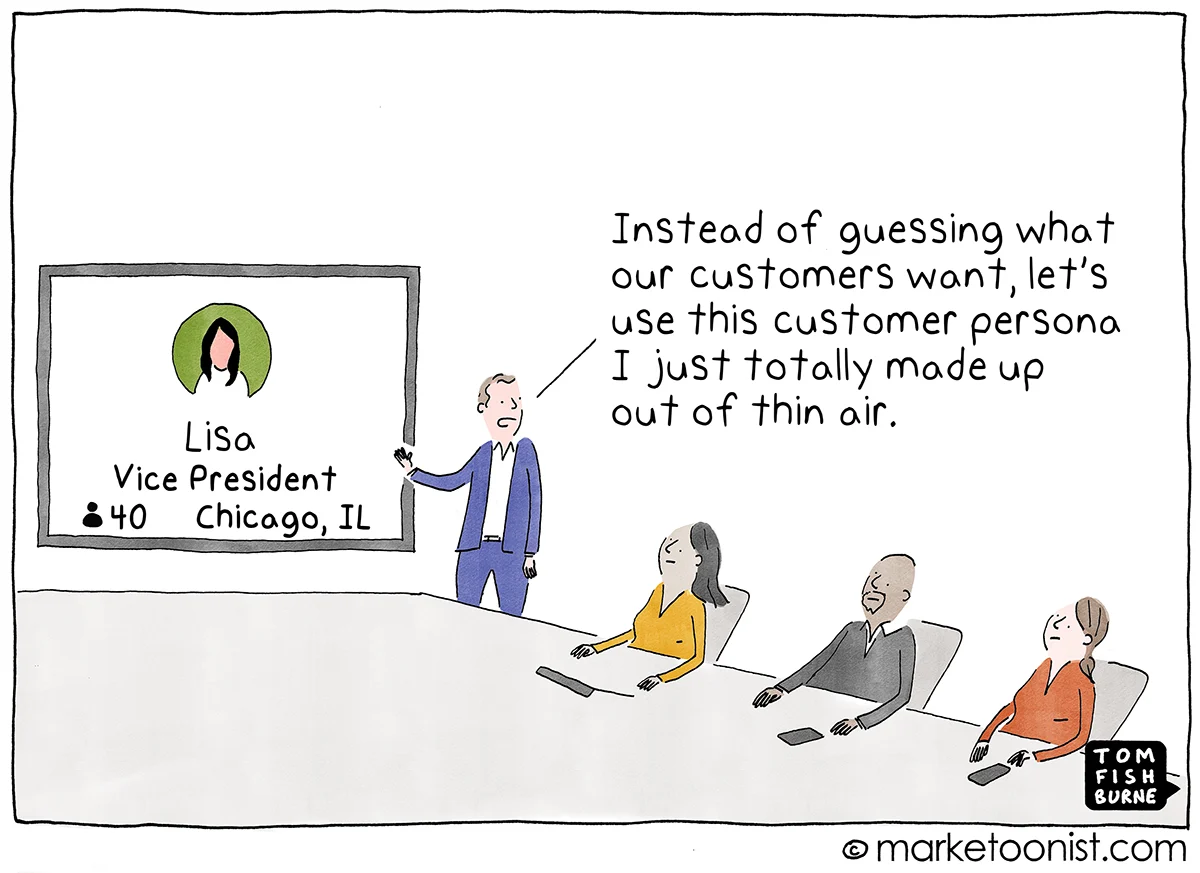
The Seven Layers of Research Bias: Why Your Market Research Is Structurally Wrong
The Compounding Problem Every existing market research methodology, every brand tracker, every NPS program, every customer satisfaction survey, every consulting engagement, passes through multiple layers of systematic distortion before a single insight reaches a decision-maker. Each layer is independently documented in peer-reviewed literature. But they don’t operate independently. They compound. This is the structural reason…
-
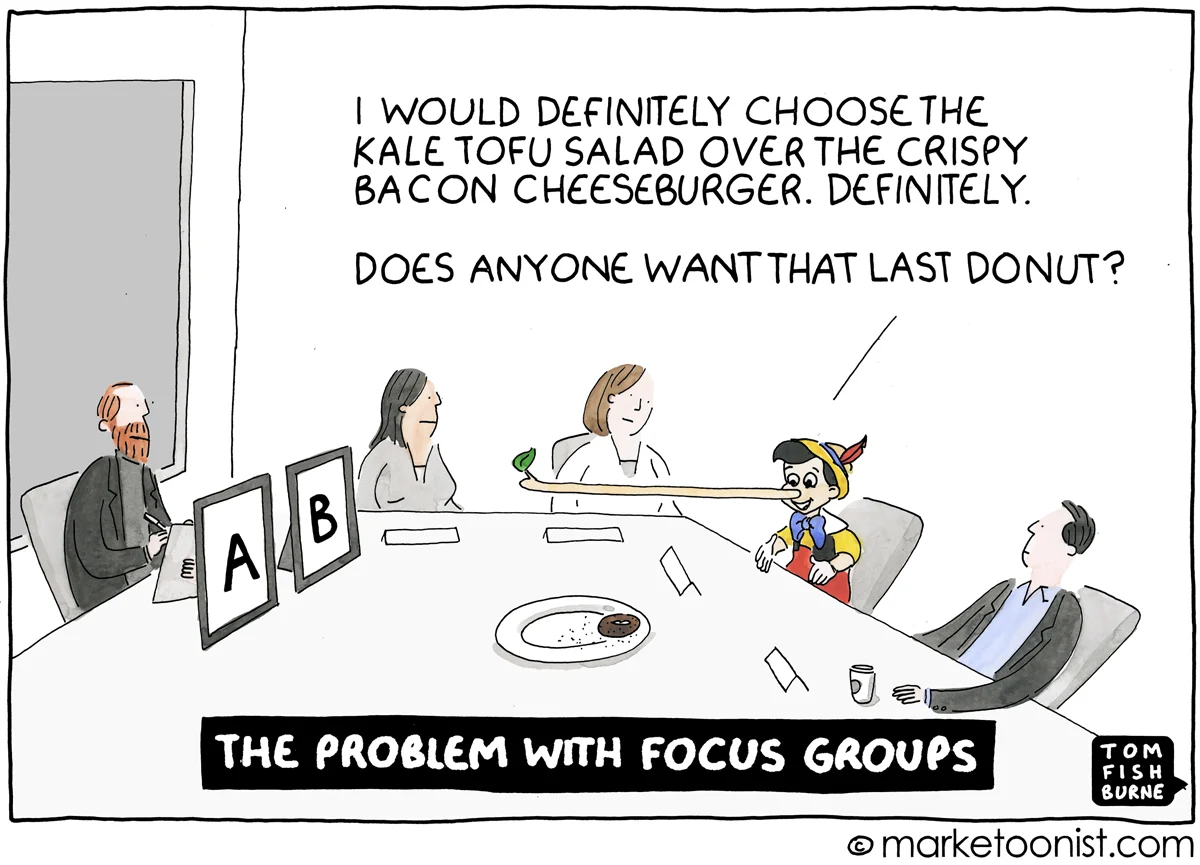
Why What Your Company Sells Doesn’t Match What Customers Actually Buy
The Disconnect Every company has a pricing page that lists what it sells. Features, capabilities, packages, service tiers. The descriptions are accurate. The pricing is clear. The product does what the product page says it does. And yet, when you ask customers what they bought, they describe something else entirely. A project management tool’s pricing…
-
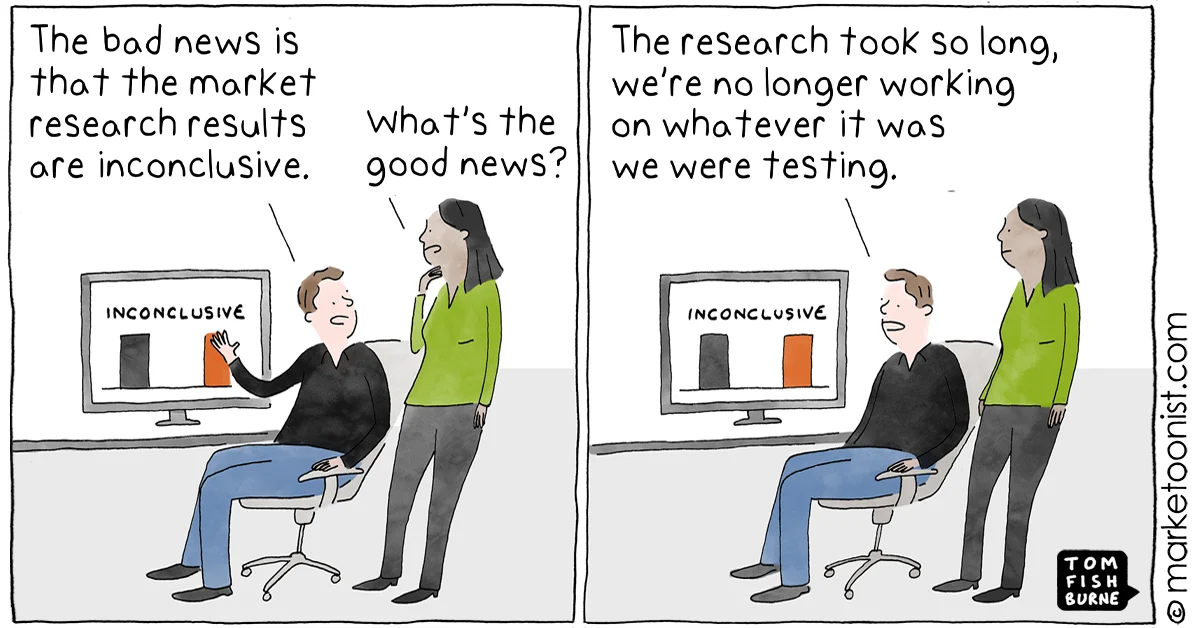
What Is the 80/8 Problem? The Complete Guide
The 80/8 problem is the 72-point gap between executives who say their company delivers a superior experience and customers who agree. Bain (2005), McKinsey (2026), and the structural forces that keep it open.
-
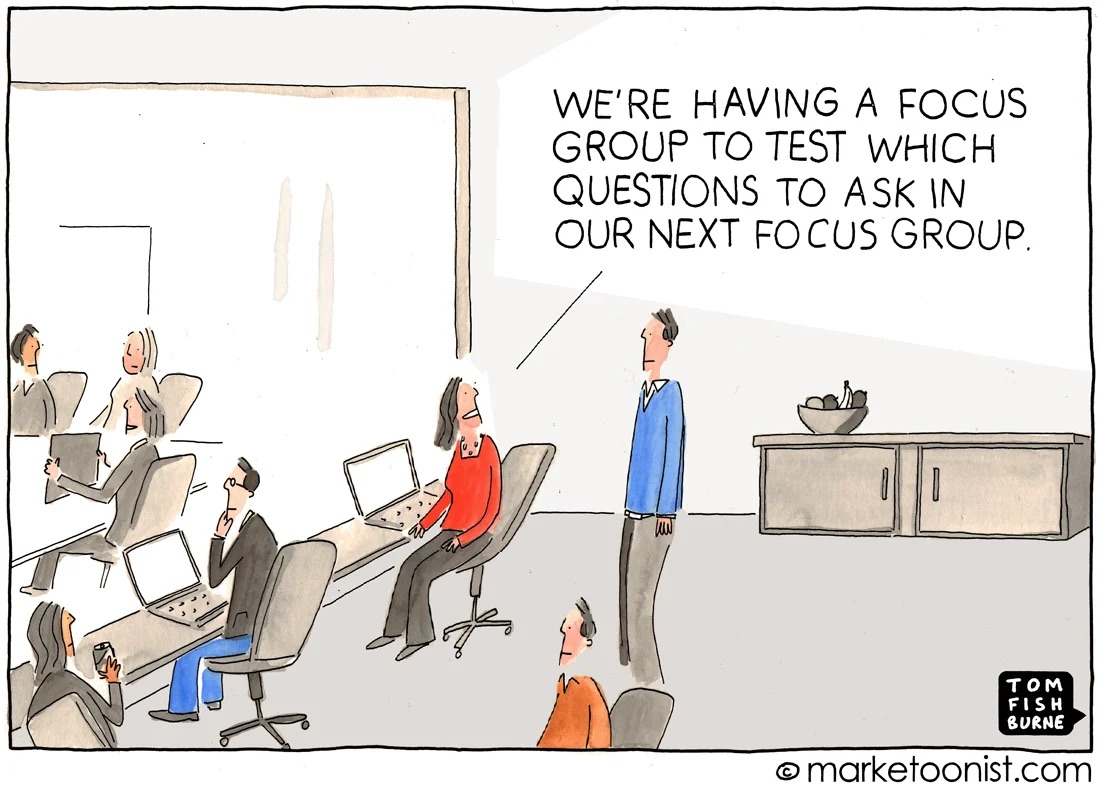
What Is a Perception Gap? The Complete Guide
A perception gap is the structural disconnect between what a company believes it delivers and what customers experience. Eighty percent say superior. Eight percent agree. The complete guide.
-

The BriefCase Paradox: The Industry’s Most Expensive Learning Disability
Every agency says they want to be a strategic partner. Then they show up and ask for the brief. That gap, between what firms say about themselves and what their behaviour proves, is the most expensive undiagnosed problem in professional services. It costs the industry $12.5 billion a year in pitch waste alone. It explains…
-
Your Customers Don’t Describe You the Way You Think
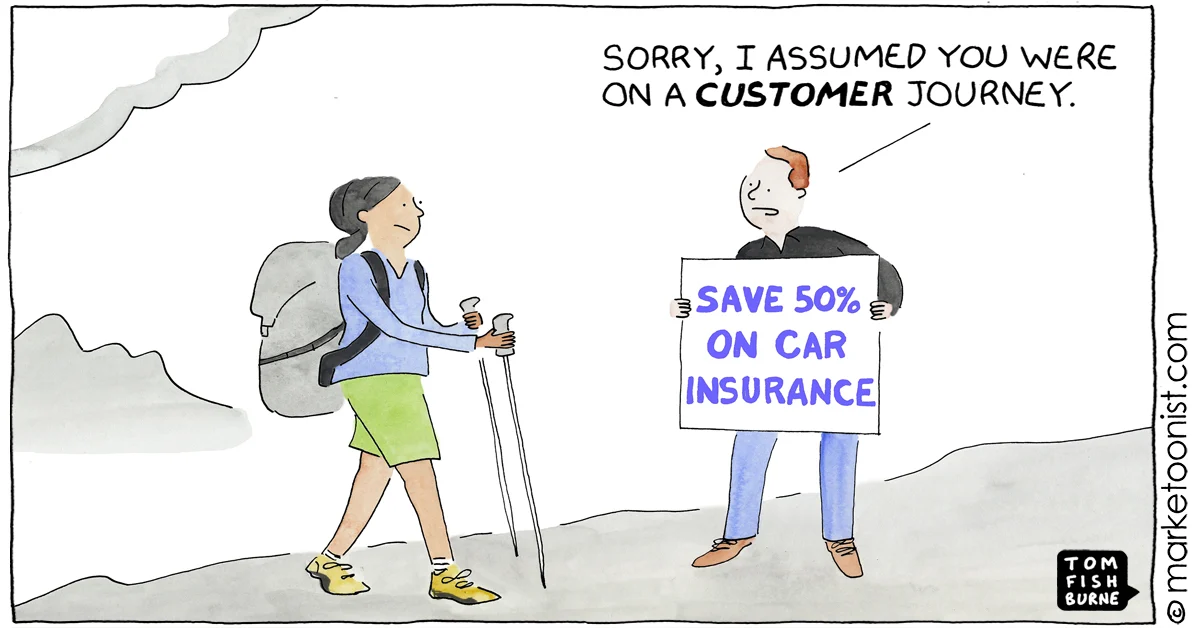
The first post was about the gap you’re defending. The second was about the gap you’re feeding. This one is about what the gap looks like when you finally see it. Your website says “end-to-end platform.” Your customers say, “It’s the only one that doesn’t break during quarter close.” Your pitch deck says “AI-powered intelligence.”…
-
The Room Shifts When You Walk In With Proof
Post one: you know the brief is wrong.Post two: every fix makes it worse. So what breaks the cycle? Not motivation. Not courage. Not a better strategist or a bolder CCO. The system punishes all of those. One thing breaks it: proof that doesn’t come from you. Think about the last time you challenged a…