

Dive deep into business, brand and strategy.
-

Cloudflare built the internet’s Immune Layer
A note before you read this: I’ve been watching Cloudflare for a long time. What Matthew Prince, Michelle Zatlyn, and Lee Holloway built, and what the team continues to build, sits in a category of its own. Fifteen years of decisions that quietly hold up a meaningful portion of the…
-
You got the direction of travel wrong
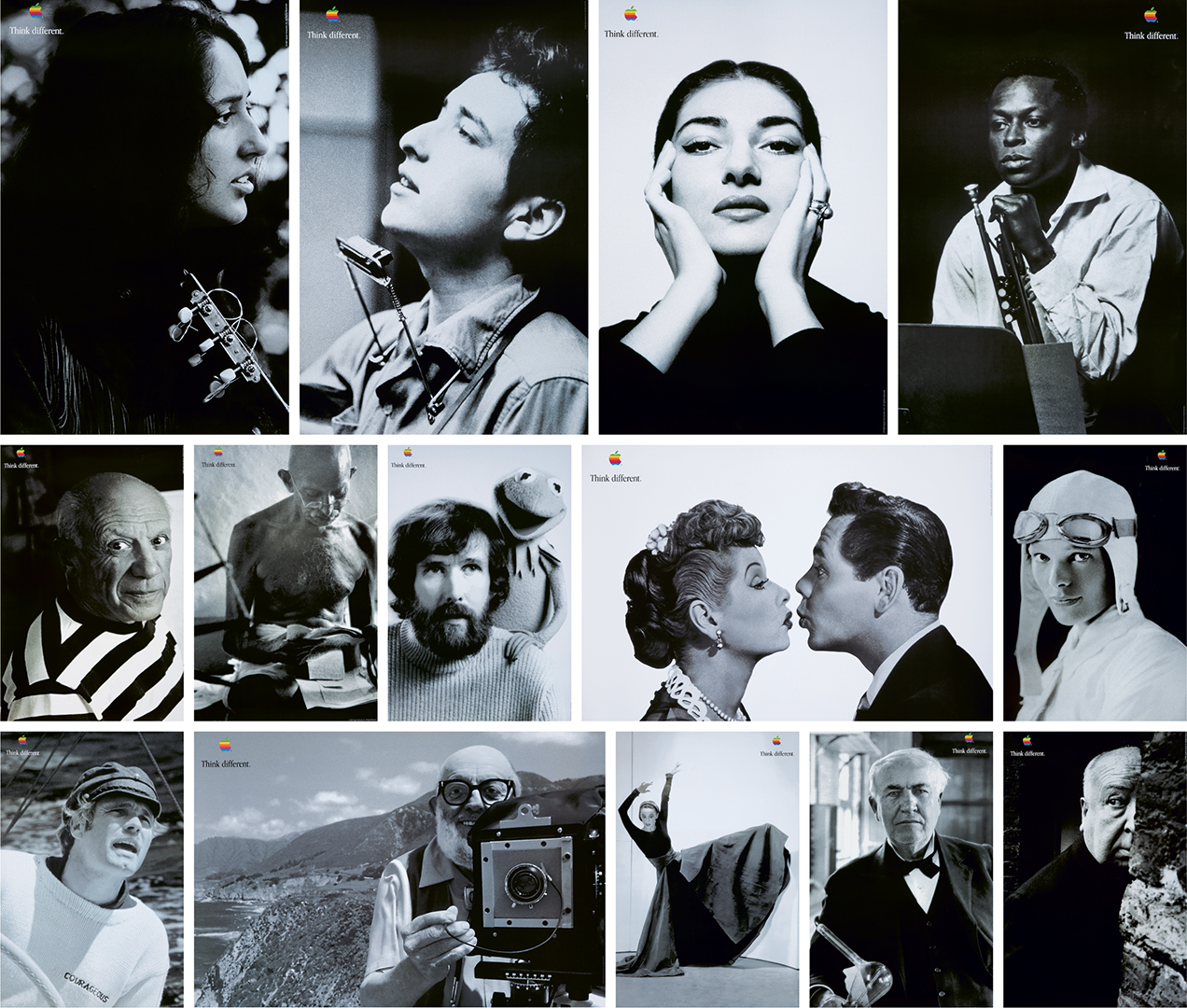
Think Different. Just Do It. Red Bull Gives You Wings. Read them again. Notice what they’re about. Not one of these taglines describes a product. Apple doesn’t mention computers. Nike doesn’t mention shoes. Red Bull names itself but says nothing about energy drinks. Every one of them is about you.…
-
Nerdio: The Command Layer
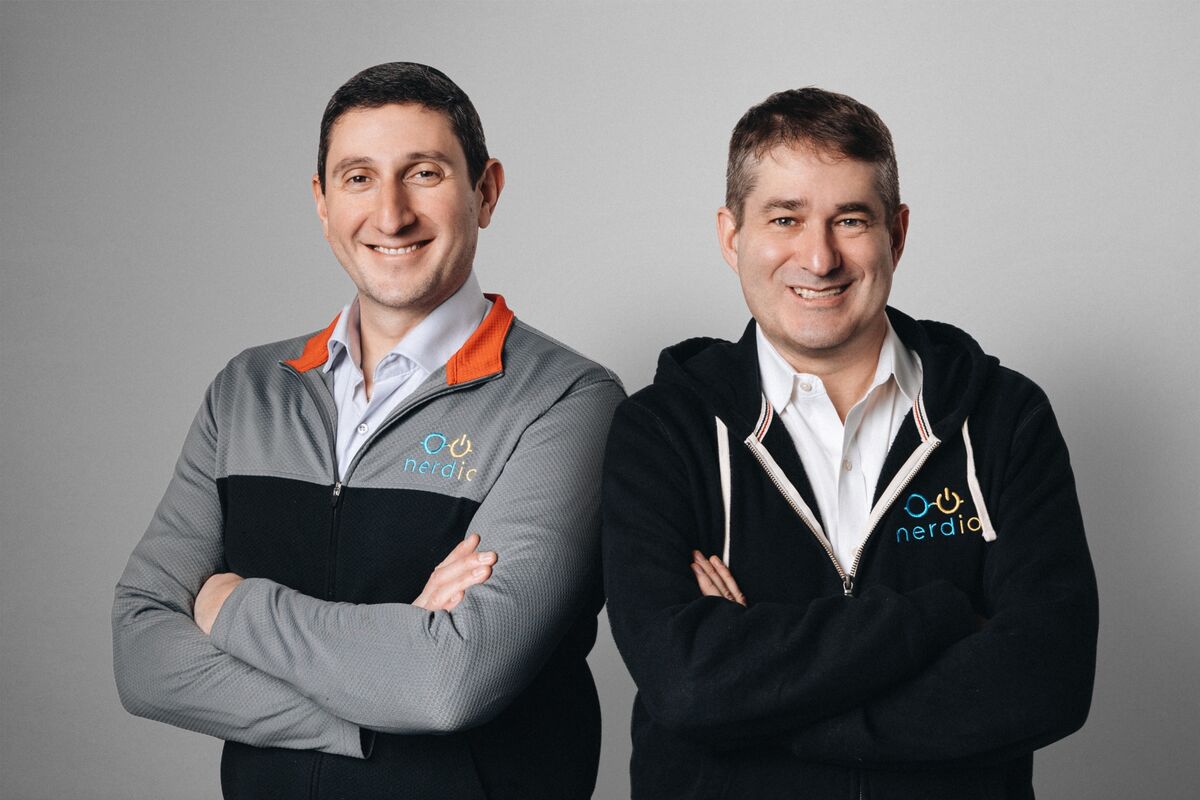
A Note Before You Read: I’ve been following Nerdio and Vadim’s work the past few weeks, paying close attention to the content, the conference, the community, and the story being built in public. What you see here comes from genuine curiosity, not criticism. This analysis was assembled from publicly available…
-

The end of choosing a bank
You don’t choose an electricity provider the way your grandparents did. You don’t choose a phone company the way your parents did. Within a decade, you won’t choose a bank the way you do now. That sentence will make most people uncomfortable. Banks feel permanent. They feel structural. Your chequing…
-
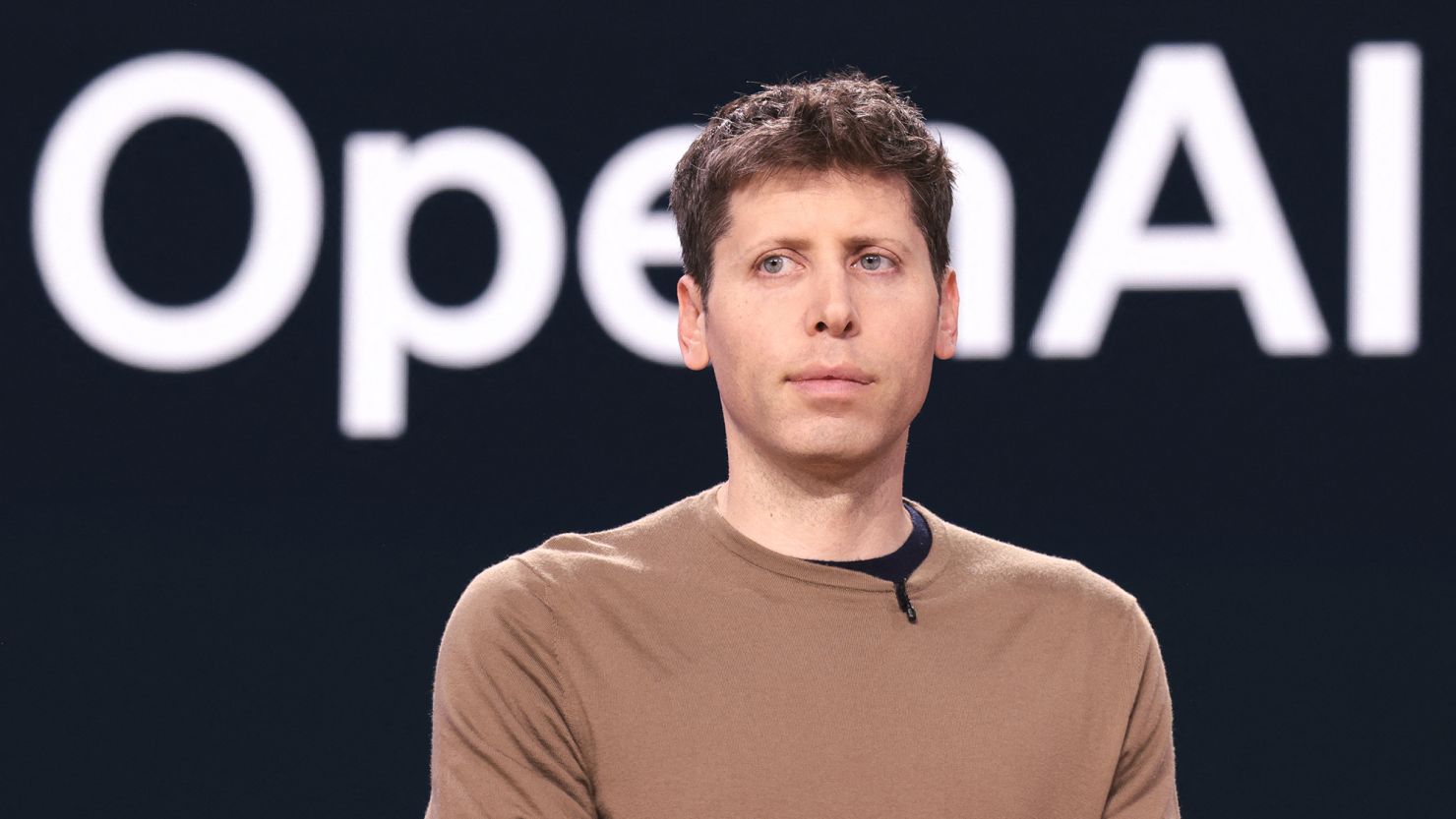
OpenAI: The Intelligence Utility
From Clarity to Gravity: OpenAI + Sam Altman A positioning analysis of the company that created a category, owns a product noun, and is searching for the concept underneath. A note before we begin. I wrote this analysis because I admire the work. OpenAI and Sam Altman have done something…
-
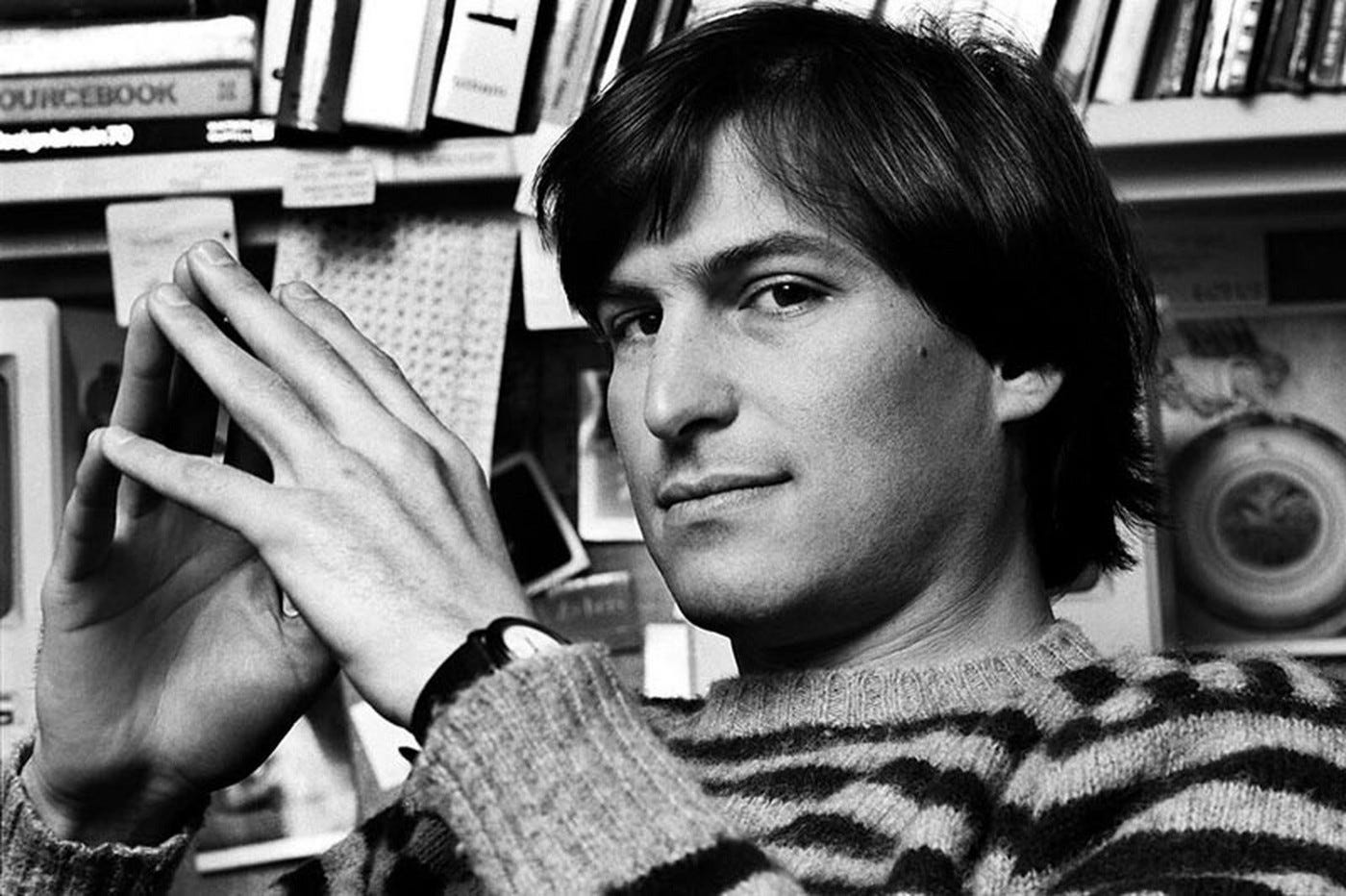
Steve Jobs was right. The $140 billion research industry is wrong. And has been for 80 years.
In 1998, Steve Jobs told BusinessWeek: “A lot of times, people don’t know what they want until you show it to them.” The research industry spent the next 25 years calling that arrogance. They were wrong. And the science to prove it existed before Jobs was born. 1938 That’s when…
-

Palantir: The Company That Owns a Concept It Rarely Names
From Clarity to Gravity: Palantir Technologies A positioning analysis of Palantir Technologies and CEO Alex Karp A Note Before We Begin: I have been watching Palantir closely for a while now. The work Alex Karp and the team have built over twenty-two years is genuinely remarkable, and so is the…
-

The ingredient nobody’s checking
In 2021, a global professional services firm spent $14 million on a brand transformation. New visual identity. New messaging architecture. New brand guidelines distributed across 47 offices. They commissioned research before the launch. Prompted awareness was strong. Sentiment scores came back positive. The positioning statement (something about trusted expertise and…
-
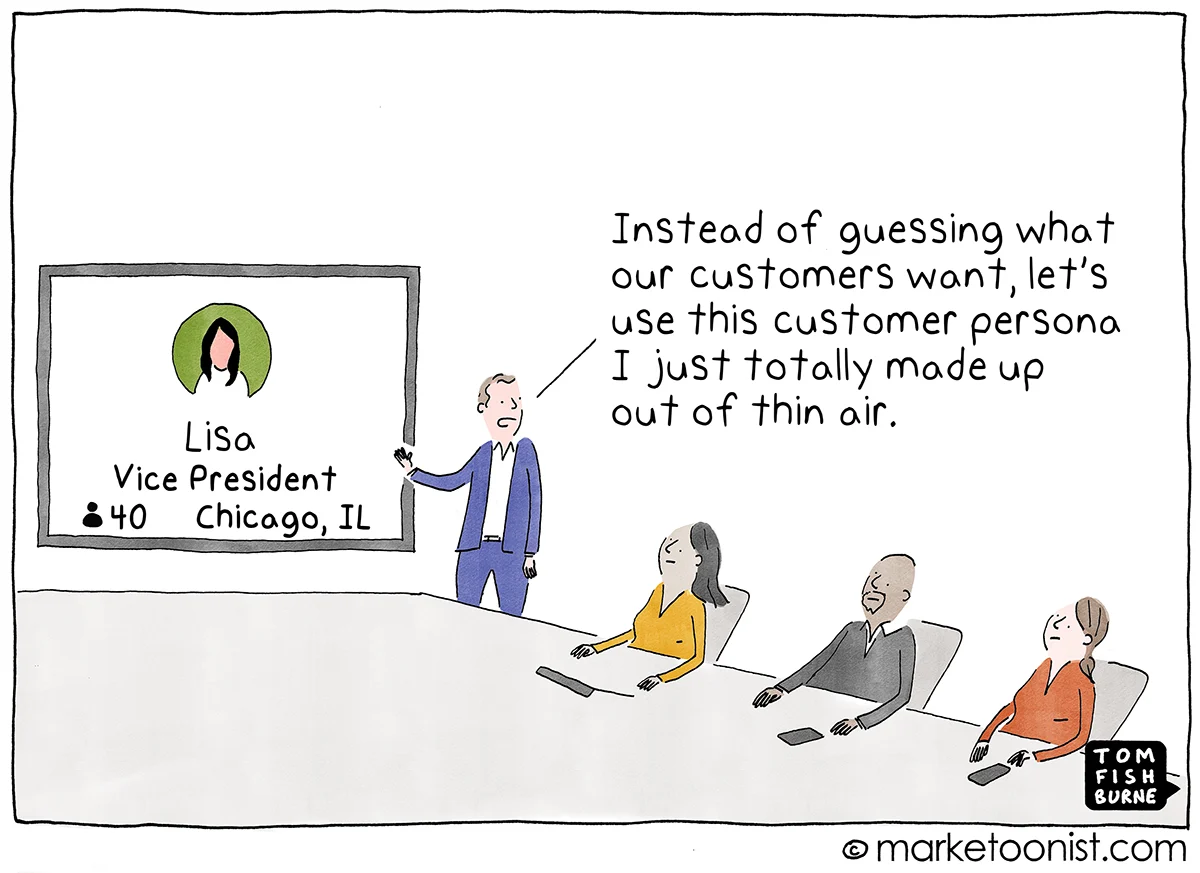
The Seven Layers of Research Bias: Why Your Market Research Is Structurally Wrong
The Compounding Problem Every existing market research methodology, every brand tracker, every NPS program, every customer satisfaction survey, every consulting engagement, passes through multiple layers of systematic distortion before a single insight reaches a decision-maker. Each layer is independently documented in peer-reviewed literature. But they don’t operate independently. They compound.…
-
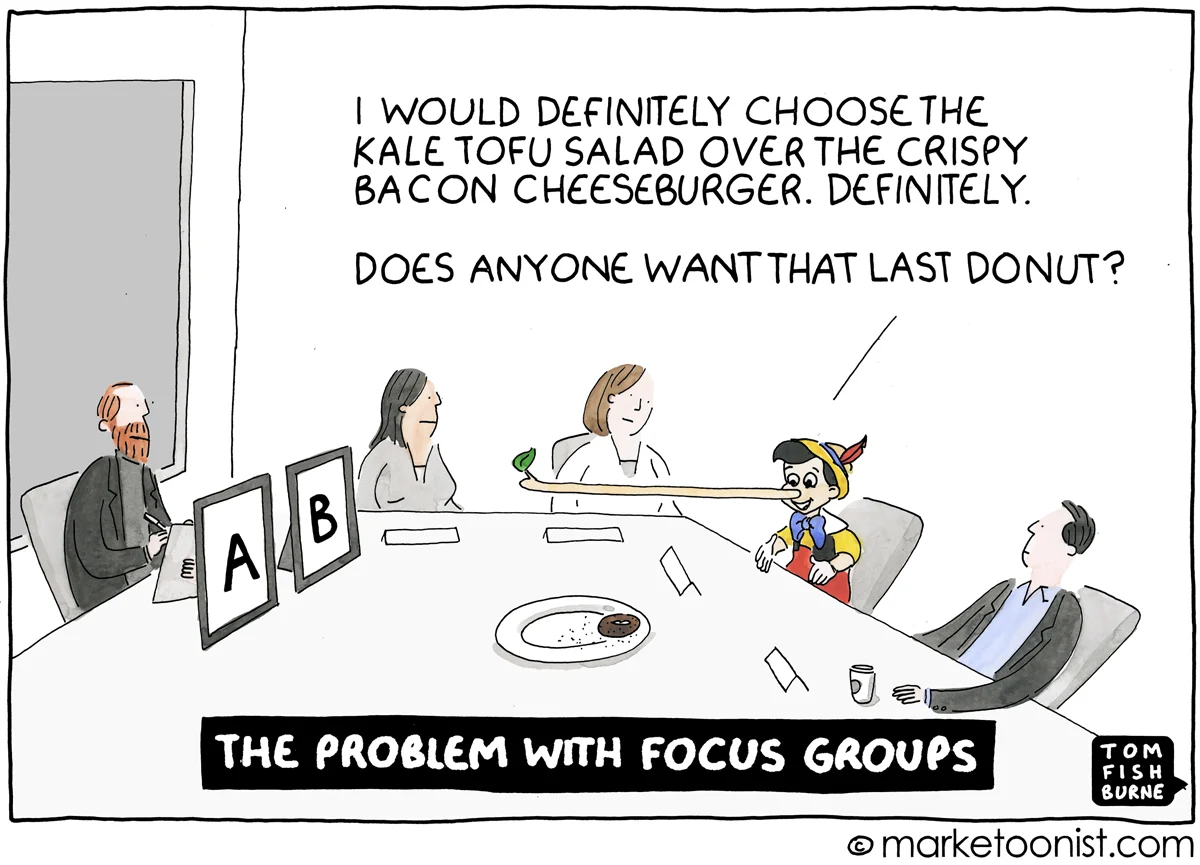
Why What Your Company Sells Doesn’t Match What Customers Actually Buy
The Disconnect Every company has a pricing page that lists what it sells. Features, capabilities, packages, service tiers. The descriptions are accurate. The pricing is clear. The product does what the product page says it does. And yet, when you ask customers what they bought, they describe something else entirely.…
-

Glossier: The Brand That Proved Everything and Said Nothing — Until It Started Talking
From Clarity to Gravity: Glossier Emily Weiss spent four years building trust before she sold a single product. She woke at 4 a.m. to write a beauty blog while working at Vogue, funded with $700 of her own money. She collected 11 rejections from VCs before Kirsten Green said yes.…
-

Positionmaxxing
The positioning industry has a positioning problem, and it’s costing you more than you think. A post on X recently stopped me cold. @Kpaxs wrote: “When you understand a system too well, you start optimizing for the system rather than for reality. You know what success looks like, so you pursue success-shaped…
Get Your CEO Clarity Starter Kit
