There’s a question every founder eventually faces.
Not what the company sells.
Not who the customer is.
Not even what the strategy is.
The question is simpler and harder.
What does the market hand you when you stop talking?
Most companies never find out. They keep talking. The marketing keeps describing what the product does, who it’s for, and why it’s different. The deck keeps stacking features against competitors. The website keeps reading like every other website in the category. And the position, the actual word a customer would use to explain the company to a friend at dinner, gets handed to whoever notices first. Sometimes that’s a competitor. Sometimes it’s the press. Sometimes it’s the market itself, and the word the market chooses isn’t the word the founder would have picked.
This is the gap the Gravity Report exists to read.
I. Why I Write This Series
I started writing these because positioning, the way most of the industry teaches it, isn’t positioning. It’s category-and-feature copy with a different name. The templates produce sentences that describe what the company is and who it’s for. The actual question, what does the customer become after using this thing, never gets asked.
A Gravity Report asks that question publicly about a specific company.
The method is consistent. I read everything the company says about itself. The website, the investor materials, the founder’s interviews, and the LinkedIn posts. I read everything the market says back. Reddit threads, Trustpilot reviews, YouTube comments, podcast transcripts, and sales call language captured in case studies. Then I look at the gap. Not the gap between strategy and execution, that’s a different essay. The gap between what the company claims and what the experience proves.
The gap is the position. Whatever sits in that gap is the noun the company actually owns, whether the founder named it or not.
I write them because reading your own label is the hardest work a founder/CEO does. The vocabulary the company uses to describe itself is mostly inherited from the category. The vocabulary the customer uses to describe the company is mostly hidden in places the founder/CEO doesn’t read. Bridging that gap is unglamorous, slow, and impossible to do from the inside without help. The Gravity Report is the outside read.
II. The Common Pattern Across Thirty Companies
After thirty of these, the pattern is clear enough to name. Almost every company I’ve analyzed falls into one of three failure modes. Not three personality types. Three structural failures in how the company relates to its own position.
The first failure: owning a position the company refuses to claim. The company has, through years of capital allocation, product decisions, hiring choices, and refusals, accumulated proof of a specific position. The market sees it. Customers describe it back to each other in the company’s own absence. And the company keeps marketing the wrong noun. Volvo did this in reverse decades ago, claiming safety because sixty years of crash engineering had already said it. Most companies do it forward, owning a noun and pretending they own a different one because the different one sounds more strategic in the deck.
The second failure: claiming a noun the company hasn’t earned. The marketing says category leader, platform, enterprise-grade, AI-first, customer-obsessed. The experience doesn’t prove it. The product decisions don’t filter through it. The hiring doesn’t reflect it. The claim sits on the homepage, and the company’s behaviour contradicts it everywhere else. Customers feel the contradiction even when they can’t name it. Trust leaks.
The third failure: owning a noun, knowing it, and making it optional. This is the rarest and most expensive. The company knows what it owns. The position is named internally. And then, under pressure from a board, an analyst, a quarterly miss, the company decides the position is too narrow, expands the claim, dilutes the filter, and starts behaving like a category-average competitor. The position survives in the customers who were there first. The position dies in the customers who arrive next.
The thirty reports below sort into those three buckets, with some overlap. Reading them in sequence is a useful exercise. Reading the one closest to your own company is more useful.
III. The Complete List
The reports are organized by the failure mode they read most clearly. The order within each section is a rough chronology of when the report ran, oldest first.
Owning a Position, Refusing to Claim It
The most common failure. The proof is there. The marketing won’t say it.

1. EQ Bank: How Every Decision Proved Ownership While the Marketing Said Challenger
The challenger language is borrowed from a global category. The product decisions, the rate structure, the refusal to build branches, the savings-first identity, all point to a different noun the bank has been earning for a decade. The report names it.
Read the report →

2. PC Financial: The Bank That Was Never a Bank
A grocery-store financial product that became one of the most-used everyday banking experiences in Canada. The category says bank. The customer experience says something else entirely. What the brand actually owns is hidden in plain sight on the receipt.
Read the report →
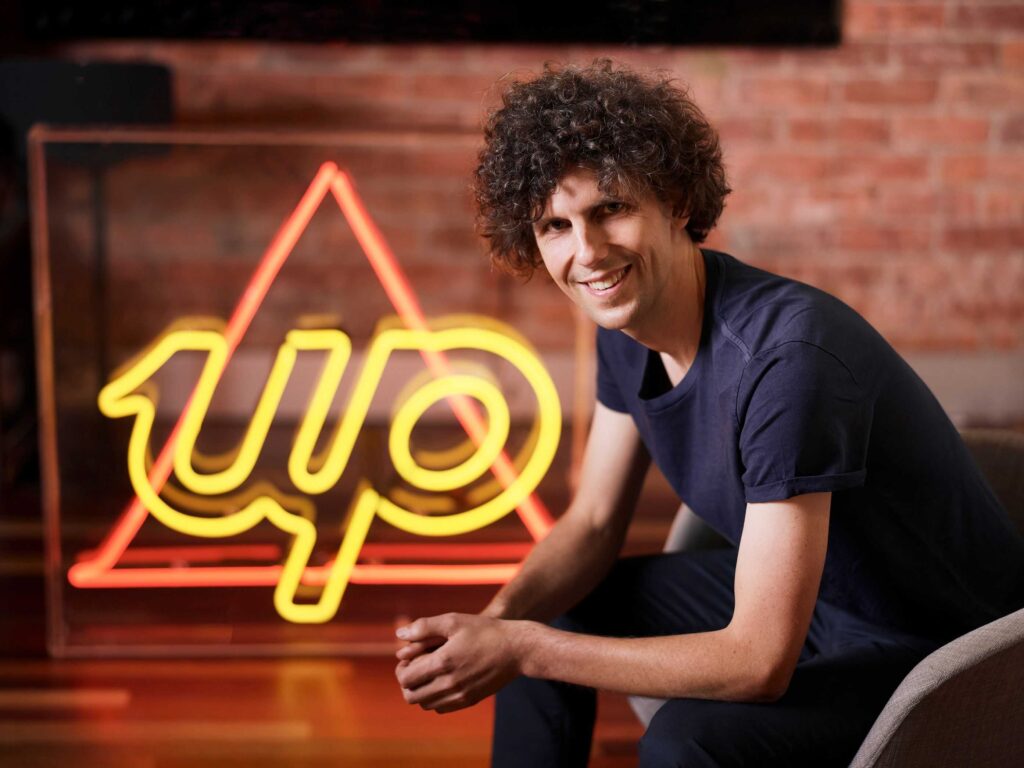
BONUS: Up Didn’t Build a Bank. It Built a Generation of Savers.
UP wrapped a full-stack savings engine in the UI of a friendly neobank, then spent years teaching people how to actually use it. The category sees another digital bank; the customer experience proves a company that has quietly built an on-ramp into lifelong saving, and refuses to name that position out loud.
Read the report →

3. 37signals: The Company That Owns Control (And Doesn’t Know It)
Two decades of essays, books, and product decisions point at the same noun. The company markets simplicity, opinion, and calm. The customer experience proves something more specific and more valuable.
Read the report →

4. Anthropic: How the Company That Claims Safety Already Owns Trust, and Doesn’t Know It Yet
Safety is the claim in the constitution, the policy team, the research. Trust is what the developer actually buys when they pick Claude over the alternative. The two nouns aren’t the same. The report explains why owning one and claiming the other is the most expensive miss in AI right now.
Read the report →

5. How GONG Owns Certainty While Selling Intelligence
The category is revenue intelligence. The customer language is something simpler and harder to copy. The report reads the gap between what GONG sells and what GONG’s customers actually buy.
Read the report →

6. Perplexity: The Curiosity Machine That’s Actually a Trust Engine
The product looks like search. The marketing borrows the language of curiosity. The reason people actually switch from Google is a different noun, and the company hasn’t said it out loud yet.
Read the report →

7. Cloudflare Built the Internet’s Immune Layer
The category is CDN, security, edge. The actual position the network has earned over fifteen years is closer to a body part than a product. The report names what Cloudflare is, in terms the customer already feels.
Read the report →
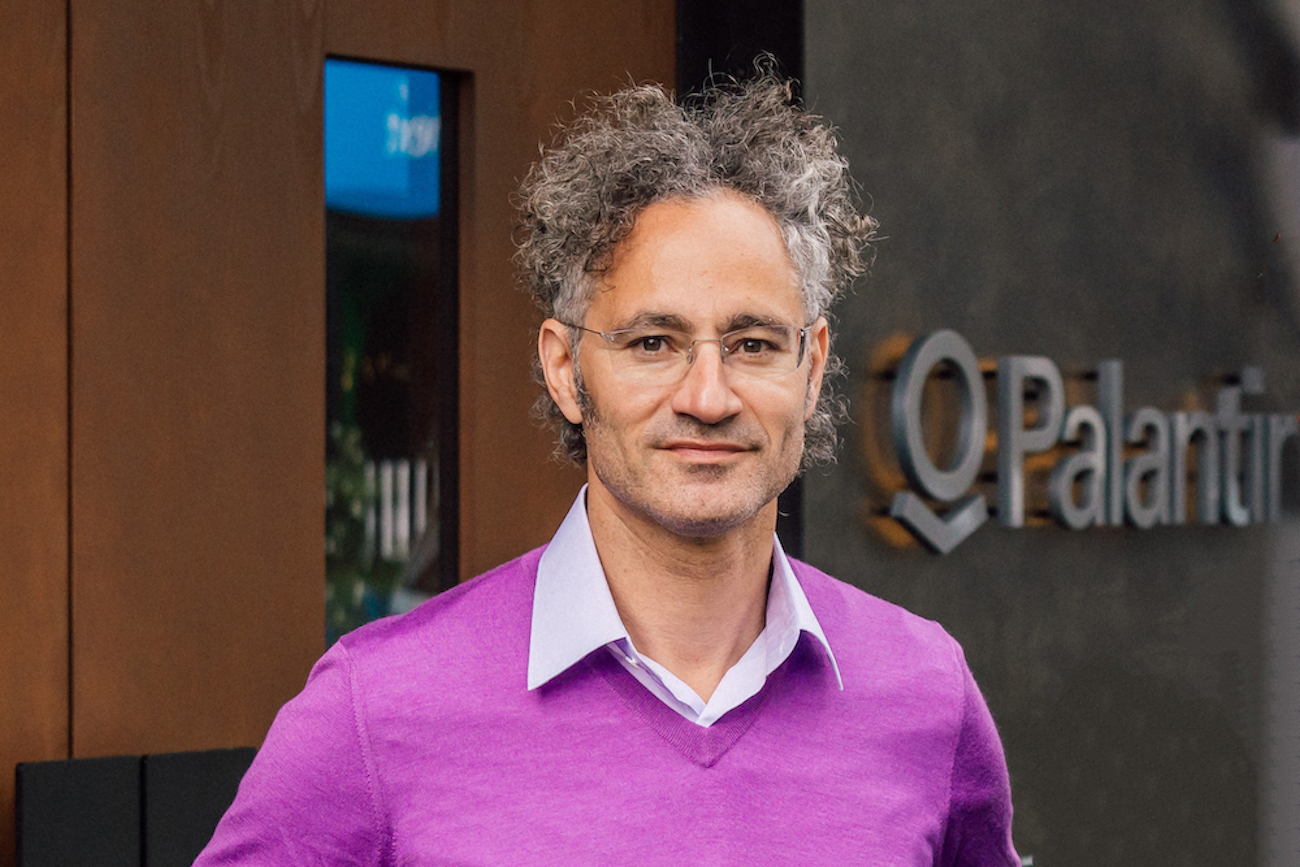
8. Palantir: The Company That Owns a Concept It Rarely Names
Palantir’s defenders and detractors agree on more than they think. Both sides describe the same noun. The company won’t say it on the website, and the silence has cost more than the controversy.
Read the report →

9. Harvey AI: The $8 Billion Position Nobody Has Named
Legal AI is the category. The position Harvey has been quietly building, the one law firms actually pay for, is a different noun the market hasn’t named yet. The report names it.
Read the report →

10. Lovable: What the Fastest-Growing Software Company Actually Owns
The category says AI website builder. The customer experience says something closer to permission. The fastest growth story in software in 2025 is built on a noun nobody is saying out loud.
Read the report →

11. Hampton: How Owning Kinship Built an $8M Business That Members Would Take Loans to Keep
Hampton sells a membership. The product is curation. The actual purchase is something Sam Parr hasn’t put on the homepage, and the renewal rate proves it.
Read the report →
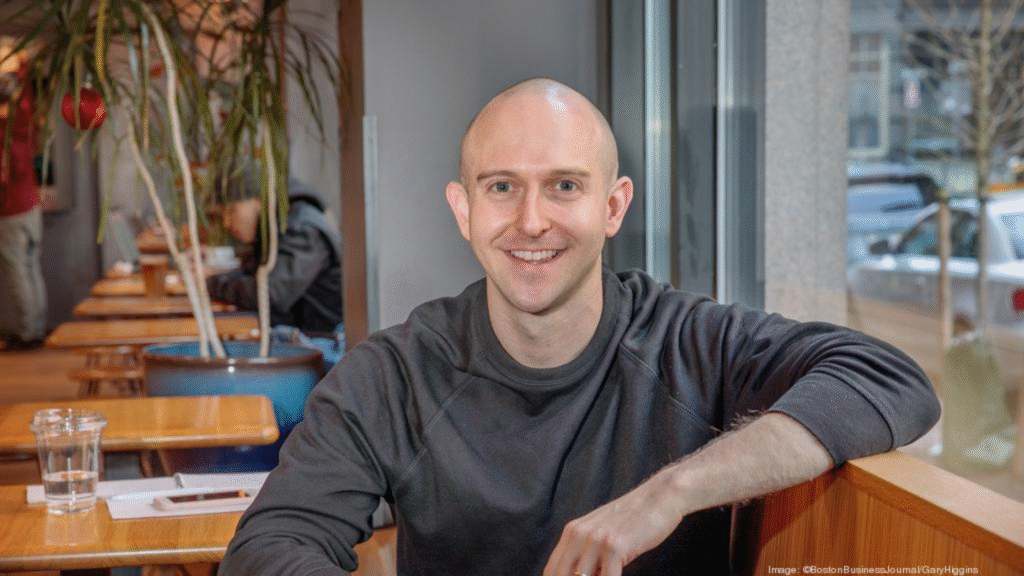
12. How Exit Five Accidentally Built the Institution B2B Marketing Never Had
A community that grew into something the category doesn’t have a name for. Dave Gerhardt calls it Exit Five. Members describe something institutional. The gap between the two is the position.
Read the report →

13. How Wynter Owns Clearance (And Why They Don’t Know It)
The category is market research. The customer language is closer to permission to ship. The report reads what Wynter’s buyers actually buy, and why the messaging has been describing the wrong noun.
Read the report →
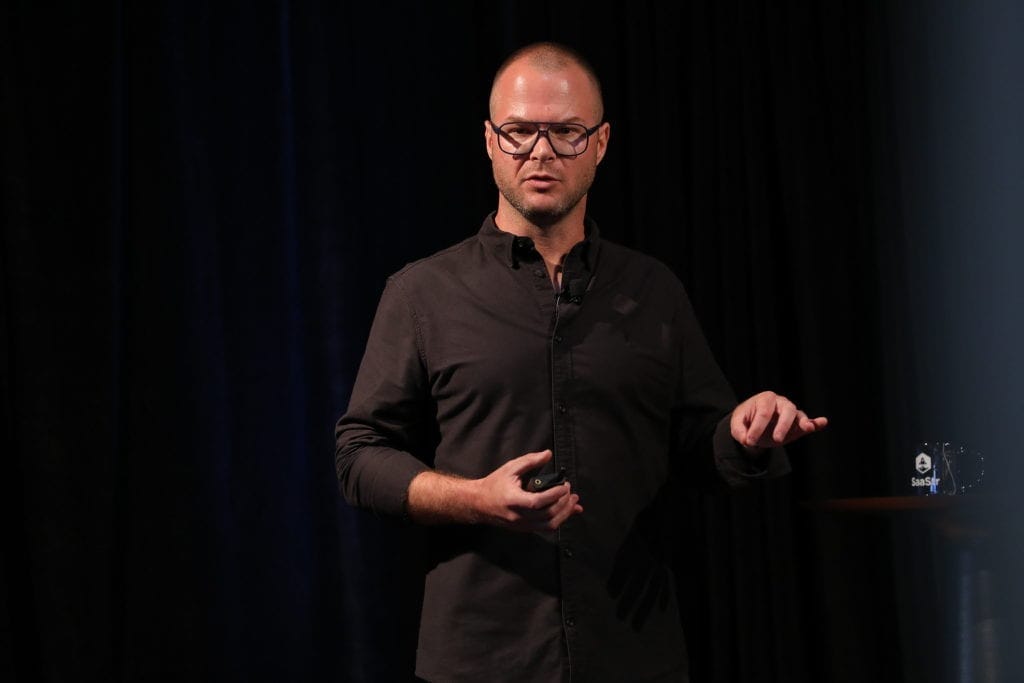
14. Justin Welsh: The Solopreneur Who Proves More Than He Claims
The category Justin Welsh built around himself is solopreneur education. The position the audience has handed him is closer to a profession. The report reads the asymmetry between his claim and his proof.
Read the report →

15. The Recovery Paradox: What WHOOP Proves Without Saying
The category is wearables. The marketing borrows performance language. The actual reason people wear it twenty-four hours a day is a different noun, and the company has spent ten years proving it without saying it.
Read the report →

16. The Noun Elon Musk Left Out of the SpaceX S1: A Positioning Read of the June 12 IPO
The S1 reads like a rockets-and-Mars story. The financial logic of the IPO reads like something else. The report identifies the noun missing from the filing and what its absence will cost the post-IPO narrative.
Read the report →
Claiming a Position the Company Hasn’t Earned
The second failure. The claim outruns the proof.

17. Notion’s Positioning Paradox: You Already Own What You Think You’re Building Toward
Notion claims a future noun, the all-in-one workspace, the AI-native operating system. The customer experience proves a different, smaller, more durable noun. The report explains why the current claim weakens the position the product has already earned.
Read the report →

18. Rate.com’s $100 Million Positioning Paradox: When Owning Speed Means Nothing If You Won’t Claim It
The company built the fastest digital mortgage in the category. The marketing spread across too many nouns. The report shows what a hundred million dollars in advertising spend missed by trying to own everything.
Read the report →

19. Kalshi: When Perfect Framing Masks Missing Ownership
Kalshi’s regulatory story is impressive. The framing of the company is tight. The position the customer is buying, the actual reason they fund an account, is a noun that hasn’t been earned yet at scale. The report explains the gap.
Read the report →

20. Bryan Johnson: The $60 Million Bet on Algorithmic Immortality
Blueprint claims a noun the protocol can’t yet prove. The transparency is real. The data is real. The claim that follows from the data isn’t the claim Blueprint is making. The report reads the position the work has actually earned.
Read the report →

21. Shopify: The Existential Platform That Doesn’t Know What It Owns
Shopify markets the platform. The merchant experience proves a different noun, one closer to permission than to infrastructure. The report reads what Shopify has earned, and what it has been refusing to say.
Read the report →
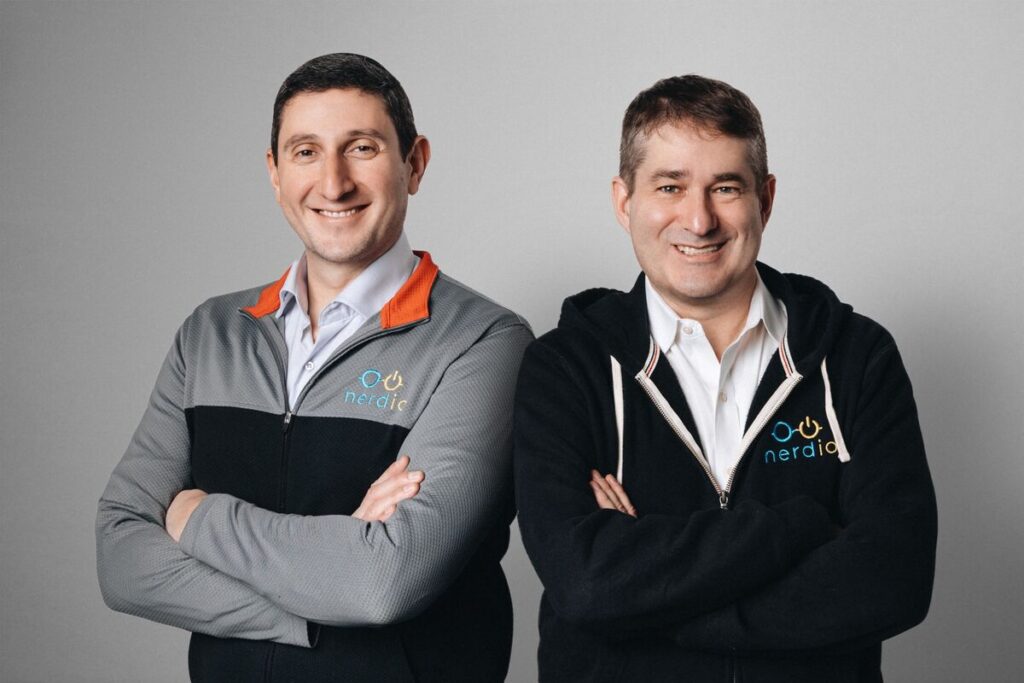
22. Nerdio: The Command Layer
The category is Azure Virtual Desktop management. The position the customer actually buys is closer to a control surface than a tool. The report names the noun the IT buyer hands to the CIO, and explains why the marketing has been describing a different sale.
Read the report →
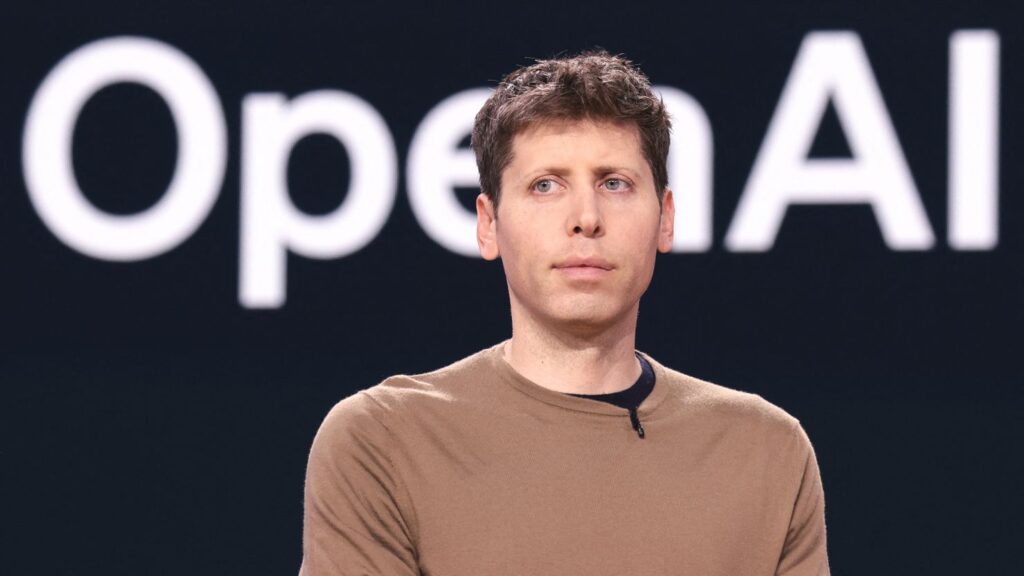
23. OpenAI: The Intelligence Utility
OpenAI claims a future noun, AGI, superintelligence, the next platform. The current customer behavior proves something more basic and more durable. The report reads what the company actually is to the user opening the app at 9 a.m., and why the future-noun claim is leaving present value on the table.
Read the report →

24. How Cluely Owns “Command” and Why Your Tactics Don’t Matter
Cluely’s tactical playbook gets all the attention. The position underneath it is quieter and more interesting. The report reads what the company actually owns, and why copying the tactics without inheriting the position produces noise instead of growth.
Read the report →

25. Clay: The $3.1B Category Creator Building Creativity Through Costly Signals
Clay sells GTM data orchestration. The position the buyer experiences is closer to creative permission. The report reads the costly-signal mechanism that built the position, and why the category-creator claim under-describes what the customer is actually paying for.
Read the report →
Owning a Position, Then Making It Optional
The third failure. The most expensive. The position is known, then diluted.

26. Canva: How Owning VOICE Made Freemium the Only Ethical Choice
Canva owns a noun that runs deeper than design tools. The freemium decision wasn’t a pricing choice. It was a position-derived obligation. The report reads what the position required, and what optional adherence to it would have cost.
Read the report →

27. Glossier: The Brand That Proved Everything and Said Nothing, Until It Started Talking
Glossier owned a noun for half a decade by saying almost nothing. The pivot to claiming the noun out loud is the moment the position started to leak. The report reads the cost of becoming articulate about a position that was working in silence.
Read the report →

28. Bumble: When You Make Your Position Optional
Bumble’s founding position was a filter, women message first, that the entire product enforced. Making that filter optional was a feature decision and a position decision at the same time. The report reads what the optionality cost, and what it would cost to restore.
Read the report →

29. How Bumble Gets Back to $13 Billion
A second read on the same company, post-decline. The position is still there, dormant, restorable. The report explains the specific decisions a recovery would require, and the specific decisions that would foreclose it.
Read the report →
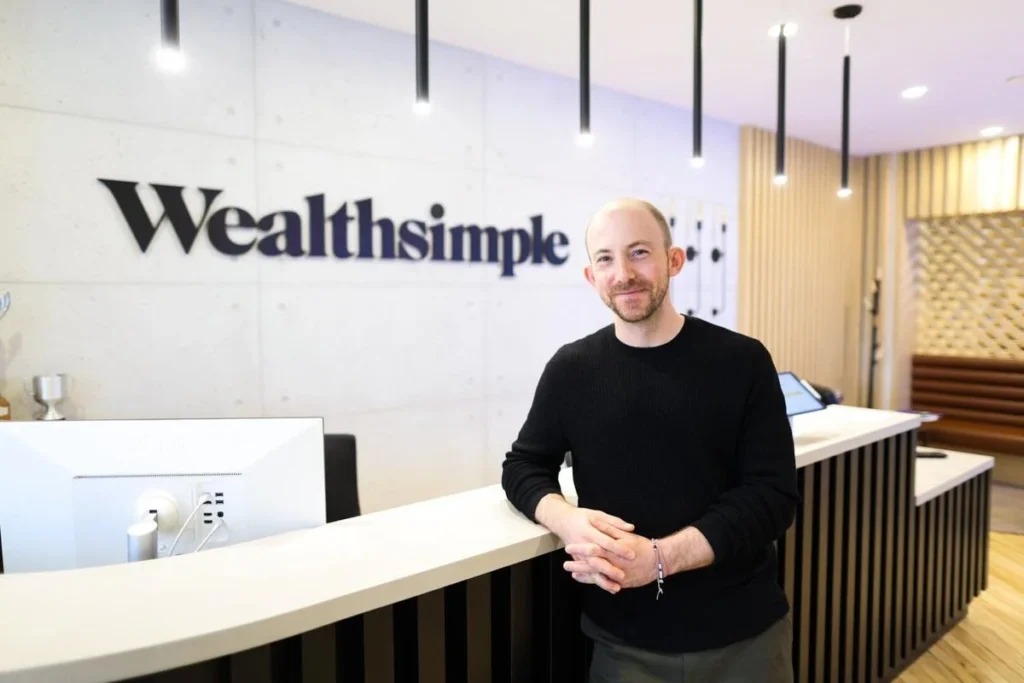
30. Wealthsimple: What Happens When You Own the Door But Want to Own the House
Wealthsimple earned the noun beginner. Every product decision since then has been an attempt to outgrow it. The report reads the strategic problem of owning an entry-point position and wanting more, and what it costs to expand without losing the door.
Read the report →
IV. How to Read This List
If you run a company, read the report closest to your own structural problem first. Don’t read the one closest to your industry. The industry is the easiest signal to mistake for relevance. The structural problem, the gap between claim and proof, is the real signal.
If you’re a brand or marketing leader, read three reports in a row from the same failure mode. The pattern across companies is more useful than the analysis of any single one.
If you advise founders, read the introductions before the analysis. The piece each company received was filtered through the same method. Watching the method run thirty times is a different kind of education than watching it run once.
The diagnostic the series leaves you with is small enough to fit in a sentence. Look at the language your customers use about you in your absence. Look at the language your homepage uses about you. If they’re different nouns, the gap between them is your position, and the question is whether you know which one is the real one.
If any of this was useful
There are three ways to go deeper, depending on where you are.
Read and follow. Everything I publish is free. The Gravity Reports, the Digest, the positioning frameworks — all of it is on the blog and in your feed. If you want it in your inbox every Tuesday, subscribe to the Digest. If you want it as it happens, follow me on LinkedIn and X.
Subscribe to the Digest (form below)
LinkedIn or X
Use the systems. I’ve built a set of diagnostics for founders and brand leaders who want to do this work on their own company. Start with the free Analyzer — it shows you the gap between what you think you sell and what customers actually buy, and tells you whether AI recommends you when buyers are searching in their language. If you want to go further, the Clarity Kit and Monopoly are built for the same diagnostic, at a deeper level.
Start with the free Analyzer
CEO Clarity Starter Kit
Monopoly
Work together. I take on a small number of advisory clients each year. These are founders and leadership teams who want an outside read on their position — the same method as the Gravity Reports, applied to their own company. If that’s relevant, the best place to start is a conversation. Better call Paul.

Image above. My resume when I applied for my very first job as a junior copywriter. Rahul gave me the job.