Dive deep into business, brand and strategy.
-
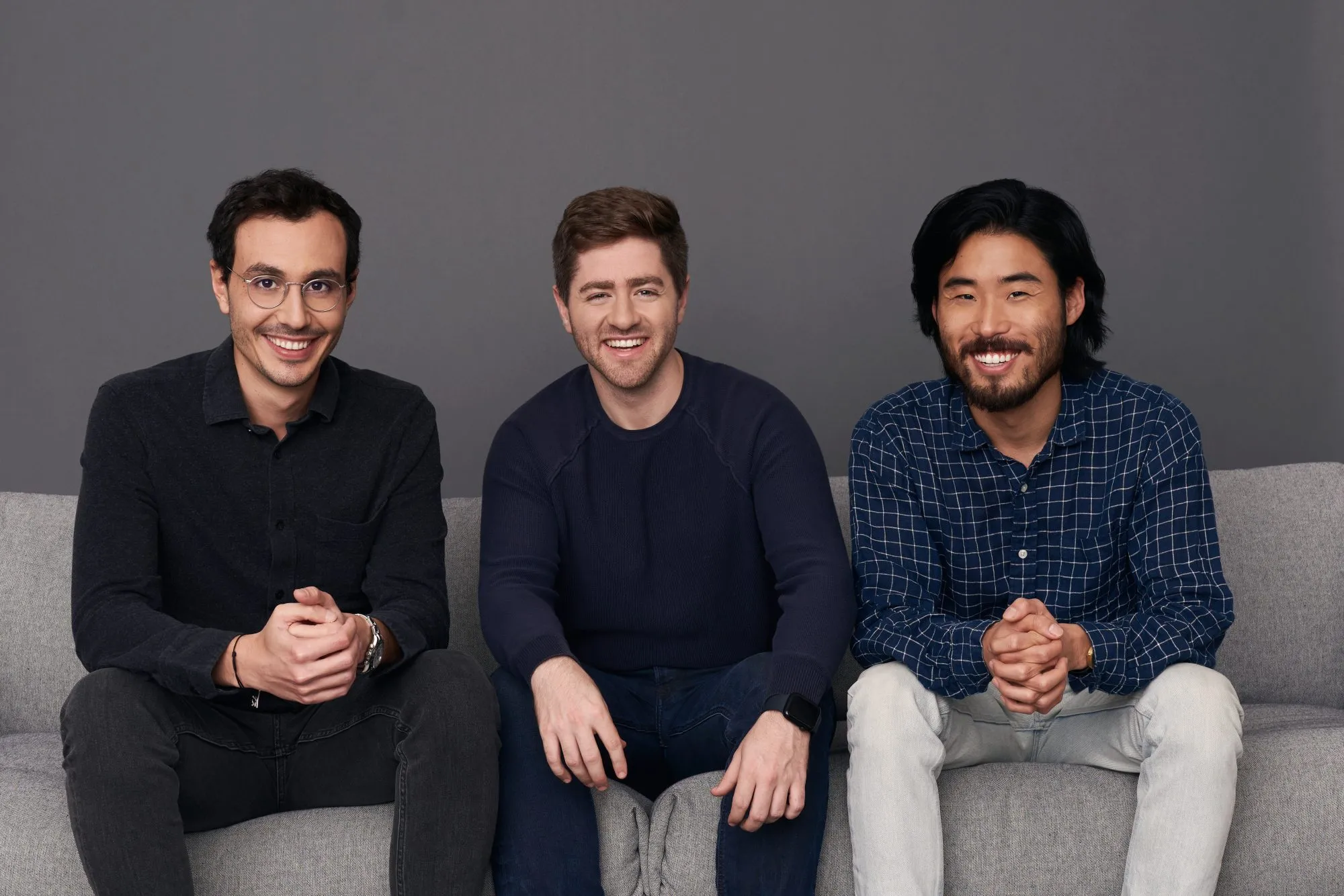
Ramp: The Best Experience Is the One You Don’t See
Ramp, Eric Glyman, and the position they built by accident and never named A note before we begin: I have been watching Ramp for a while now, and I think highly of what Eric Glyman and his co-founders have built. Getting a finance product to the point where customers describe…
-
The One Room Where You Still Believe Words
Most of us learn a simple rule before we can read: when words and actions clash, children often take their cue from what adults do. You can say “be gentle” in your calmest voice while you slam the cupboard, but the slam is the stronger lesson. You can tell them…
-

The Next Moat Is the Learning Loop
Why the winners in AI will own the path from trusted context to better decisions—not merely the data or the answer Enterprise technology is approaching an uncomfortable moment. Companies have spent years centralizing data, connecting systems, building dashboards, and creating increasingly sophisticated models of their businesses. Now they are adding…
-

Simile’s $2 billion raise: The CERN of Saying Things
TLDR: I read the study behind Simile, the AI startup that just raised $200 million to simulate human beings. The founders interviewed 1,000 people for 2 hours each and built AI agents that fill out surveys the way those people would. Their own paper grades the copies against survey answers…
-

“We left about a billion dollars off the table.”
Patrice Louvet runs Ralph Lauren. That sentence is his, from a 44-minute interview about the brand, and he delivers it the way other CEOs report a record quarter. A billion dollars of real revenue, real customers holding real money, and the company walked away on purpose. Every positioning conversation happens…
-

Everything I can prove about therapy
Therapy is a product. In the US alone, it sits inside a behavioural health market worth roughly $89 billion a year (Becker’s). It is sold by the hour, week after week, with no label on the box, no score at the end, and no receipt for whether it worked. I…
-

Why therapy is a roll of the dice
Send 7 people to therapy, and about 1 of them gets better because of the therapy itself. The other 6 either improve for reasons that have nothing to do with the room, or they do not improve at all. That number comes straight from the field’s own research, once someone…
-

Why Strangers Bet on You and the People Who Know You Won’t
A stranger will bet two million dollars on you after spending six hours with you. The people who’ve known you for twenty years won’t lend you ten grand. I wanted to know why. The answer took me through payroll records, grant reviews, a demoted scientist who ended up with a…
-

Product Shape Is Not The Moat
Product shape is neither necessary nor sufficient. Where shape correlates with survival, the underlying causes are segment knowledge, workflow entrenchment, and a data loop. Shape is the visible surface of the moat, not the moat. I recently read an essay where the author’s argument goes like this. AI application companies…
-

The Empirical Case That Marketing Never Owned Positioning
Six cases from the public record, the science on why the newest one won’t work, and a thirty-minute exercise called The Refusal Line that shows you who owns your position. For years I have watched companies fire their Chief Marketing Officer after a positioning failure, hire a replacement with a…
-

How Language Formed — And Why Professional Vocabulary Collapsed
I went looking for something small and fell through the floor. The small thing was a question I couldn’t shake. How did we ever agree on what words mean? Not grammar, not spelling. The deeper thing underneath those. When I say “chair” and you picture a chair, some machinery is…
-
Two decks that share a word and share nothing else
The word “positioning” describes two different disciplines. One is a language craft. The other is an operating model decision. They share a word and almost nothing else. The word alone is worth money: attach it to language work, and the price goes up without the work changing. I have watched…
Get Your CEO Clarity Starter Kit
